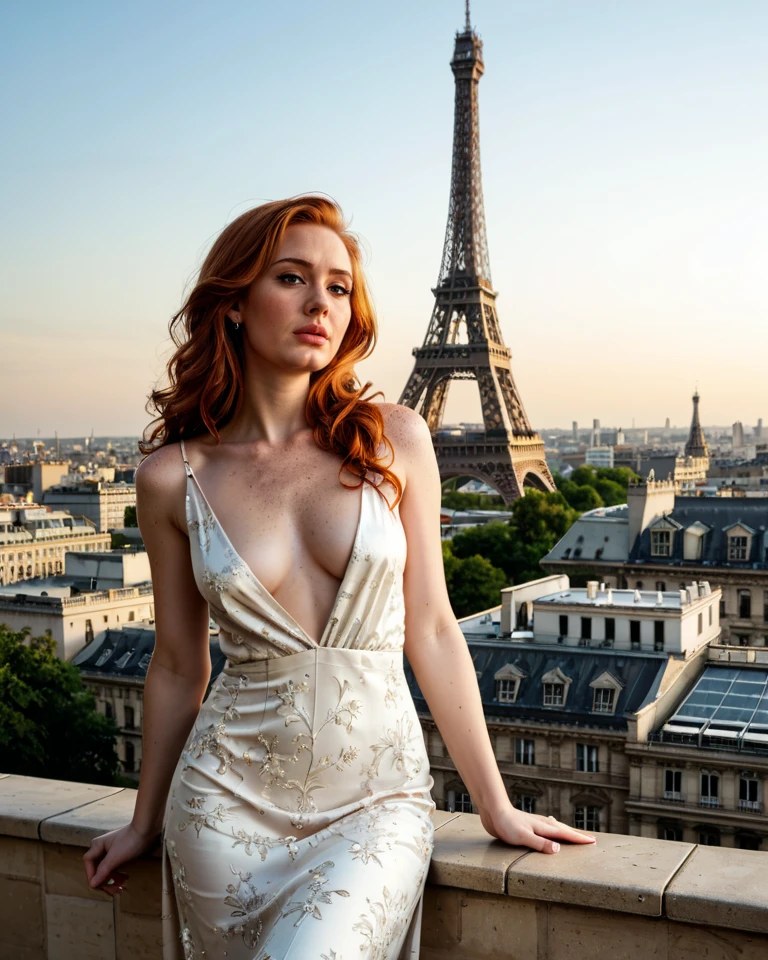
Body / image · Paris, at blue hour
Nothing to prove
The body does not need a better angle. It needs a little more room.
6 minutes to read
Be the source, not the surface
We have learned to look at ourselves from the outside in. A better starting point is to ask how a place, a fabric or an hour of the day feels before deciding how it looks.
The most lasting portraits carry that inner weather. They are not proof that someone was beautiful; they are evidence that someone was there.
Permission changes the picture
Before a camera comes out, name the plan. Ask what is welcome, what is private and what should never leave the room. Consent is not a disclaimer at the end of a shoot; it is the atmosphere of the whole thing.
Showing the image back, taking breaks and accepting a no without a story are simple practices. They make the work better because ease has its own visual language.
Keep one version for yourself
Not every frame needs an audience. Keep photographs that are not posted, moments that remain a memory rather than a signal. Privacy is not absence; it is authorship.
The image that matters most may be the one that reminds you how the evening sounded, not how it performed online.
Take it somewhere useful
Questions, softly answered
Good to know.
How can a portrait feel less self-conscious?
Give the person a real action, a private reference point and permission to pause. A natural rhythm is more useful than a list of poses.
What should be agreed before a shoot?
The intended use, boundaries, who will be present, how files are shared and whether anything may be published. Clear agreement is a form of care.
Is it okay to change your mind about a photo?
Yes. A respectful collaborator treats that as normal and discusses the next step with you clearly.